
Bathroom Care & Maintenance
How to Protect Shower Glass From Hard Water
Hard water ruining your shower glass? Learn how to remove stains, prevent mineral buildup, and keep framed or frameless glass clear year-round.
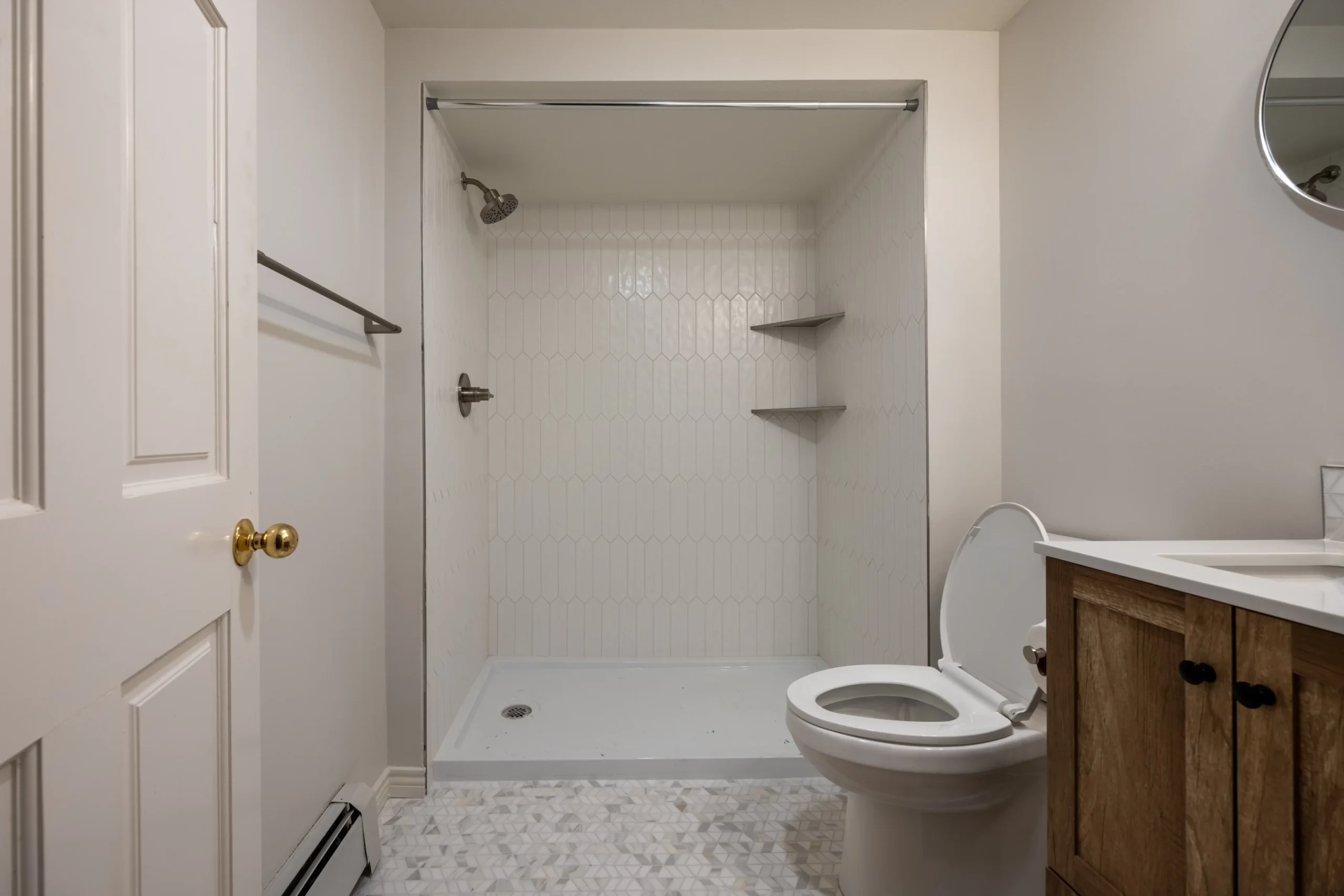
Are streaks, spots, and cloudy buildup taking over your shower glass—even after you clean it? The lasting solution combines the right technique, smart prevention habits, moisture control, and care that is compatible with every material in the shower.
- Daily squeegeeing and drying help stop dissolved minerals from becoming stubborn buildup.
- Vinegar solutions, baking soda paste, and specialty products can address stains when the glass coating and surrounding materials allow them.
- Water-repellent treatments, effective ventilation, and reduced mineral exposure can lower long-term maintenance.
- Water conditions vary across Brooklyn, Queens, the Bronx, Nassau County, Valley Stream, and Long Island; consistent care protects a finished shower regardless of the source.
This complete guide covers the original Prime Craft recommendations for framed, semi-frameless, and frameless enclosures. It also explains when a cloudy mark may be permanent etching rather than removable residue.
How to protect shower glass from hard water
For a straightforward routine, work through these seven steps:
- Squeegee or dry the glass after every shower. Remove the water before dissolved material can dry on the panel. Use a clean microfiber cloth around edges and hardware when approved.
- Clean about once a week. On compatible, uncoated glass, the original Prime Craft routine uses a 50/50 white-vinegar and water solution with a five-to-ten-minute dwell time before wiping.
- Treat stubborn spots gently. A baking-soda paste can be applied with a soft sponge, then fully rinsed and dried—but only when the enclosure and adjacent surfaces permit it.
- Use an approved water-repellent treatment. Some homeowners use products such as Rain-X every few months. Confirm that the exact product is approved for the shower glass, coating, seals, and hardware.
- Deep-clean every three to four months. Focus on edges, seals, tracks, corners, and hardware, where moisture and residue collect.
- Run the exhaust fan during and after showers. Better drying helps limit both surface residue and damp conditions around caulk and seals.
- Investigate the water source if deposits return unusually fast. Ask the supplier for hardness data or use a properly performed local test before deciding whether treatment equipment is appropriate.
If you are installing a frameless enclosure, plan protection from day one. Prime Craft can coordinate manufacturer-approved glass treatments and ventilation during the bathroom remodeling process so the care plan matches the products actually installed.
What causes hard-water stains on glass shower doors?
Mineral deposits from water
Water can carry calcium, magnesium, and other dissolved material. When droplets evaporate, part of that material remains, creating the cloudy white marks commonly called hard-water buildup. The U.S. Geological Survey’s water-hardness overview explains why calcium and magnesium contribute to scale. If deposits stay on the surface long enough, they can contribute to etching that ordinary cleaning will not reverse.
Hardness varies by water source and address. NYC tap water and Nassau County supplies should not be treated as one uniform condition; provider information or a local test is more reliable than a regional assumption.
Soap-scum formation
Soap, shampoo, and body-care residue can combine with minerals to form a film that clings to the glass. That layer traps more residue underneath, so the enclosure becomes harder to clean over time.
Mold and mildew around wet edges
Moisture that lingers in a poorly ventilated bathroom can support mold or mildew around grout, caulk, seals, and enclosure edges. Compact New York bathrooms often need careful fan sizing, a clear duct path, and enough replacement air to dry effectively.
Serving Brooklyn · Queens · The Bronx · Nassau County · Valley Stream · Long Island
Best cleaning products for hard-water stains
Different products suit different levels of buildup. Before using any option below, read the shower-glass care sheet, check the coating warranty, protect nearby natural stone and finishes, and test an approved cleaner in a small inconspicuous area.
White vinegar and water
The original routine uses equal parts on compatible bare glass. Spray, wait five to ten minutes, wipe with microfiber, rinse, and dry. Do not use acid on sensitive stone or a coating that prohibits it.
Baking-soda paste
Combine baking soda with a small amount of water, apply gently with a soft sponge, then rinse thoroughly and dry. Avoid aggressive pressure or abrasive tools.
Lemon juice and salt
The original article lists this as a targeted option because citric acid can act on mineral residue. Acid and salt can damage some surfaces, so use it only when every affected material permits it.
Bar Keepers Friend
Some formulations use oxalic acid. Select only a formulation labeled for the exact surface, follow its directions, keep it off incompatible finishes, and rinse completely.
Melamine foam
A damp “Magic Eraser” can lift isolated spots, but it is mildly abrasive and is not appropriate for every coating. Do not use it across a full panel unless the manufacturer approves it.
DIY alcohol spray
The original recipe combines 1 cup water, 1 tablespoon dish soap, and ½ cup rubbing alcohol. Confirm compatibility, ventilate, keep away from ignition sources, and never mix it with other cleaners.
Proper glass-shower cleaning techniques
Preparation and safety
Ventilate before cleaning, wear gloves when a label calls for them, and never mix cleaning products. Bleach mixed with vinegar or another acid can create dangerous gas; bleach mixed with ammonia is also hazardous. Keep cleaners away from children and pets.
Technique for light buildup
- Apply the manufacturer-approved cleaner evenly.
- Allow only the dwell time stated on the product or care sheet.
- Wipe with a clean microfiber cloth.
- Rinse as directed with clean water.
- Finish with a squeegee and dry the edges so today’s droplets do not become tomorrow’s spots.
Technique for heavier stains
- Use an approved paste or specialty cleaner only on the affected area.
- Work gently with a soft microfiber cloth or non-scratching sponge.
- Rinse completely so no product remains along seals or hardware.
- Dry fully and reassess in good light before repeating.
Frameless enclosures make every visible surface part of the design. Careful technique protects the clean, modern appearance without scratching the glass or degrading a factory treatment.
Preventing future hard-water buildup
Daily maintenance
Use a squeegee after every shower. It takes less than 30 seconds and removes much of the water that would otherwise dry on the glass.
Weekly cleaning
Clean about once a week with a mild, compatible product. Regular light care keeps a thin film from becoming buildup that demands more aggressive treatment.
Seasonal deep cleaning
Every three to four months, inspect and clean the edges, corners, seals, tracks, and hardware. Reapply a water-repellent treatment only according to its instructions and the enclosure warranty.
| Task | Frequency | Time | Impact |
|---|---|---|---|
| Squeegee after shower | Daily | Under 30 seconds | High |
| Compatible spray and wipe | Weekly | 10–15 minutes | High |
| Deep clean and approved recoat | Every 3–4 months | 30–60 minutes | High |
| Reapply approved repellent | Every 3–4 months | 10–15 minutes | Medium |
| Check seals and caulk | Annually | 15–20 minutes | Medium |
Protective glass coatings and barriers
Consumer water repellents
Products such as Rain-X create a hydrophobic layer intended to make water bead and move off glass. The original article recommends applying a small amount with microfiber, buffing it clear, and renewing it every few months. Shower applications, factory coatings, and product formulas vary, so obtain approval from both manufacturers before use.
Car-wax barrier
The original guide also describes a thin car-wax layer as a water barrier for glass and mirrors. Because wax can affect traction, seals, coatings, and nearby tile, keep it away from walking surfaces and use it only where the enclosure and wax manufacturers explicitly allow it.
Factory-grade glass coatings
Professional protective coatings may be available with a new enclosure. Prime Craft can coordinate the option during installation, document the care requirements, and make sure cleaning guidance matches the selected glass and hardware.
Ventilation and water-control strategies
Improve bathroom ventilation
Run the exhaust fan while showering and afterward for the manufacturer-recommended period. Leave the enclosure open when appropriate. Prime Craft considers room volume, fan performance, duct routing, grille position, and replacement air during pre-construction rather than treating the fan as an afterthought.
Consider water treatment only after verification
If mineral deposits return quickly despite consistent care, test the water or ask the supplier for current hardness information. A correctly selected and maintained softener can reduce calcium and magnesium, but it should address a verified condition and be sized by a qualified provider.
Cleaning framed vs. frameless shower enclosures
Framed shower glass
Framed enclosures collect residue in crevices between the frame and glass. The bottom track deserves special attention because soap film and standing water can collect there. Use a small soft brush only when approved for the frame finish, seals, glass, and adjacent material.
Frameless shower glass
Frameless designs have fewer tracks and crevices, which can simplify routine care, but spots are more visible. Clean hinges, hardware, sweeps, and seals consistently and dry them without leaving cleaner pooled around fasteners.
| Enclosure type | Maintenance | Problem areas | Suggested tool |
|---|---|---|---|
| Framed | More detailed | Frame crevices and bottom track | Soft detail brush and compatible cleaner |
| Semi-frameless | Moderate | Partial-frame edges and hardware | Microfiber and compatible spray |
| Frameless | Generally simpler | Hinges, hardware, sweeps, and seals | Squeegee and microfiber |
Cleaning precautions that protect glass
Avoid abrasive tools
Do not use steel wool, razor blades, or abrasive scrub pads unless the enclosure manufacturer provides a specific approved procedure. Scratches create permanent surface damage and can make future residue more noticeable.
Steel wool, unapproved blades, abrasive pads, incompatible acids, and bleach- or ammonia-based products on coatings that prohibit them. Never combine cleaners, and never assume a product that is safe for glass is safe for the stone, grout, metal, caulk, or seals beside it.
Protect coated glass and neighboring finishes
A factory coating or applied repellent may have its own approved-product list. Strong chemicals can shorten the coating’s life, while acidic cleaners can etch natural stone. The most sensitive surface in the spray zone should control the care method.
Protect your investment from day one
Prime Craft designs shower enclosures with long-term care in mind, coordinating ventilation, glass, hardware, tile, and compatible protective options for homeowners across Brooklyn, Queens, the Bronx, Nassau County, and Suffolk County. If haze remains after a small approved test, stop escalating and ask the fabricator or a glass-restoration specialist whether the issue is residue, coating failure, scratching, or etching.
Shower glass and hard-water FAQs
Why does New York water leave spots on shower glass?
When water evaporates, dissolved calcium, magnesium, and other material can remain as visible spots. Actual mineral levels vary by water source and address, so current provider data or a properly performed local water test is the best guide.
How often should I clean shower glass to prevent buildup?
Squeegee or dry the glass after each shower, clean about weekly with a compatible product, and deep-clean the edges, seals, and hardware every three to four months. Follow the enclosure and coating manufacturers’ schedules when they differ.
Can hard water permanently damage shower glass?
Deposits left for long periods can contribute to surface etching, while abrasive tools can create permanent scratches. If a manufacturer-approved test cleaner does not improve the haze, consult the fabricator or a restoration specialist.
What is the best product for hard-water stains?
The best product is the one approved for your exact glass, factory coating, hardware, seals, tile, grout, and stone. The original Prime Craft guide includes diluted vinegar for light film, baking-soda paste for stubborn areas, and labeled specialty cleaners for heavy deposits, but none is universal.
Is frameless shower glass harder to maintain than framed glass?
Frameless glass usually has fewer crevices, but residue is highly visible and hinges, seals, and hardware still need care. Framed enclosures generally require more detailing along the frame and bottom track.
Does Prime Craft install protective glass coatings?
Prime Craft can discuss manufacturer-compatible protective-glass options during shower design and installation. Availability, warranty terms, and care instructions depend on the selected enclosure and coating system.