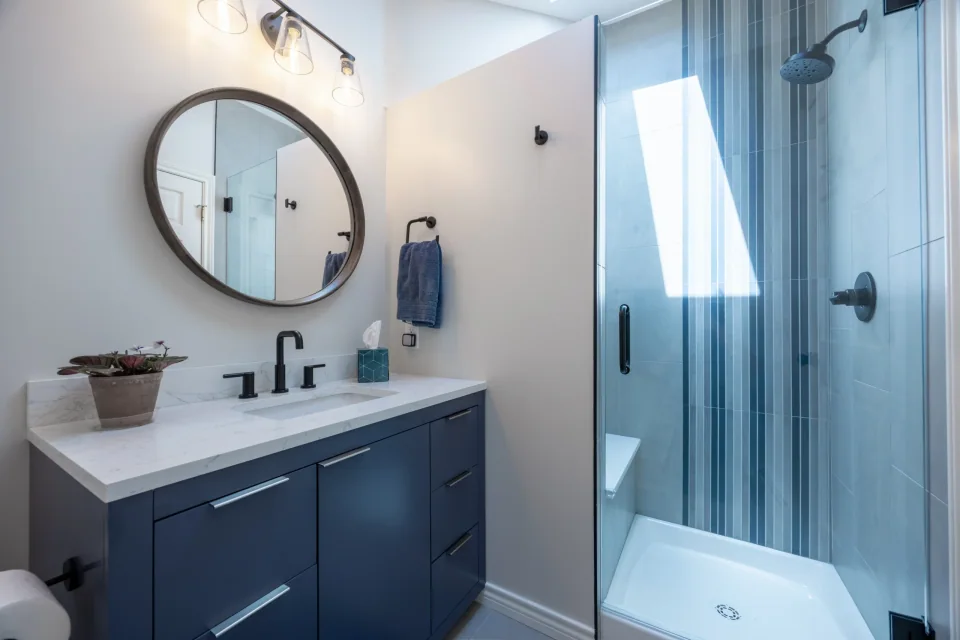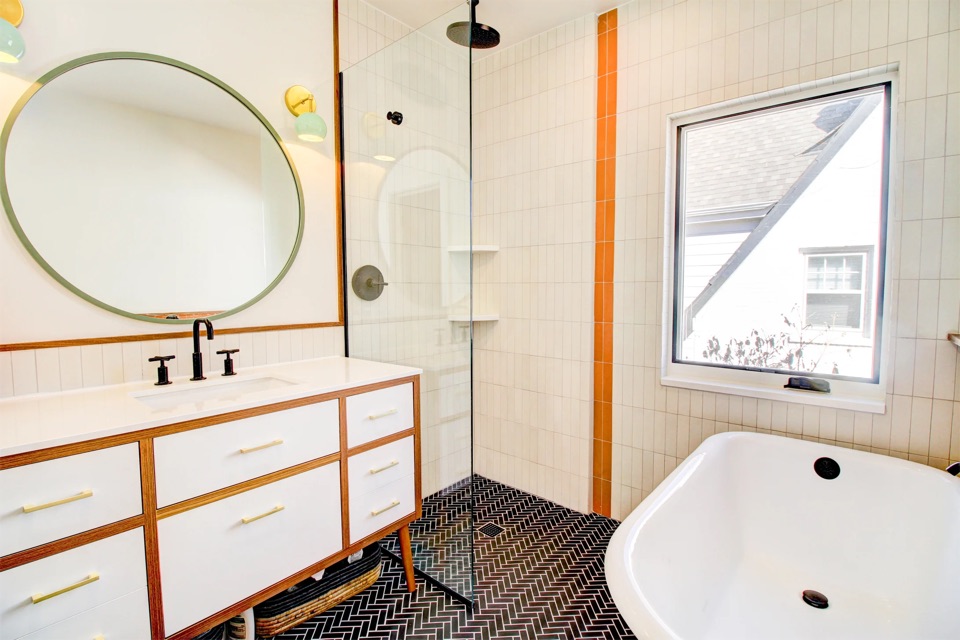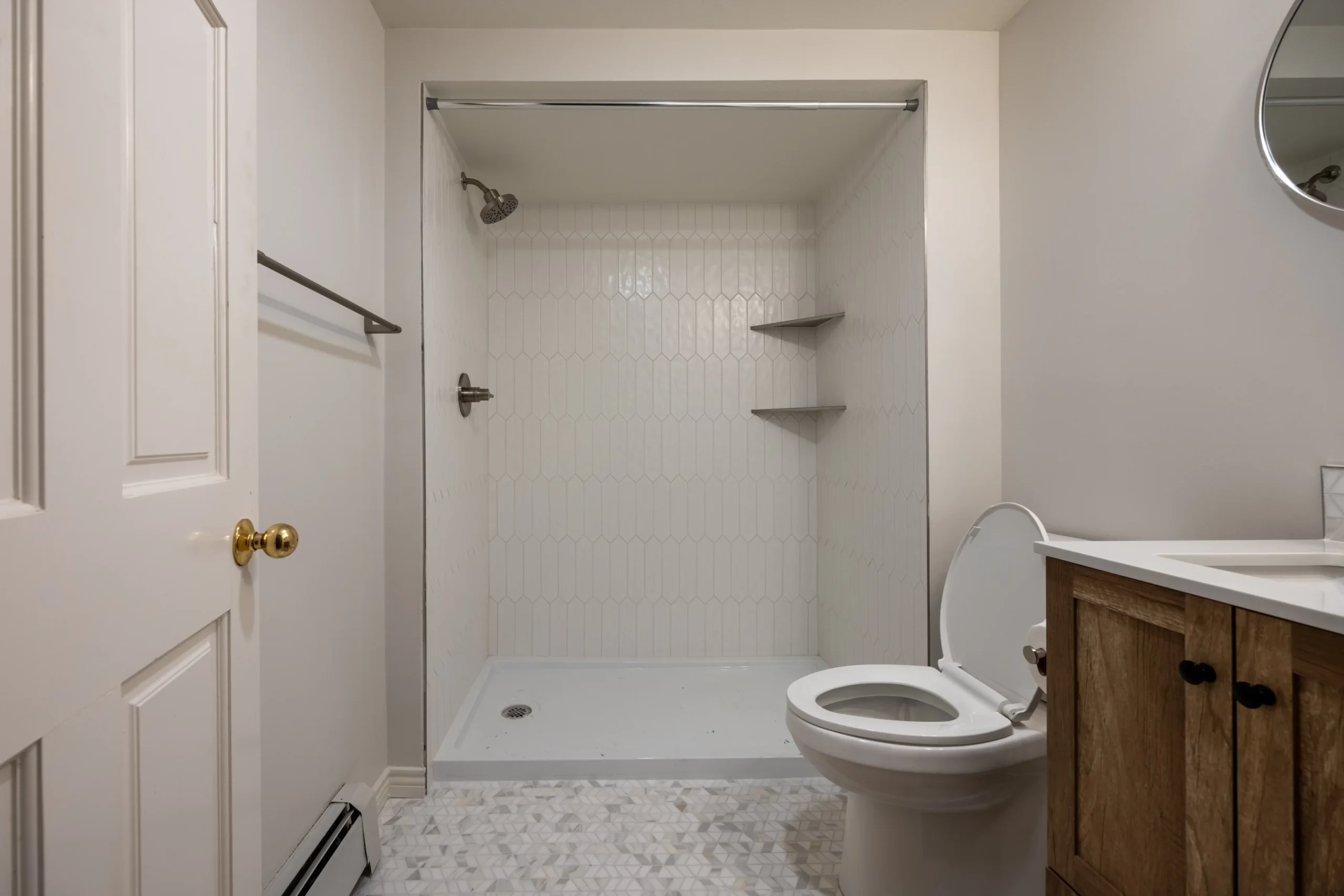
Bathroom Remodeling
Tub-to-Shower Conversion Cost in NYC & Nassau County
See cost ranges, shower types, door and accessory prices, hidden conditions, and the planning choices that drive a tub-to-shower conversion.
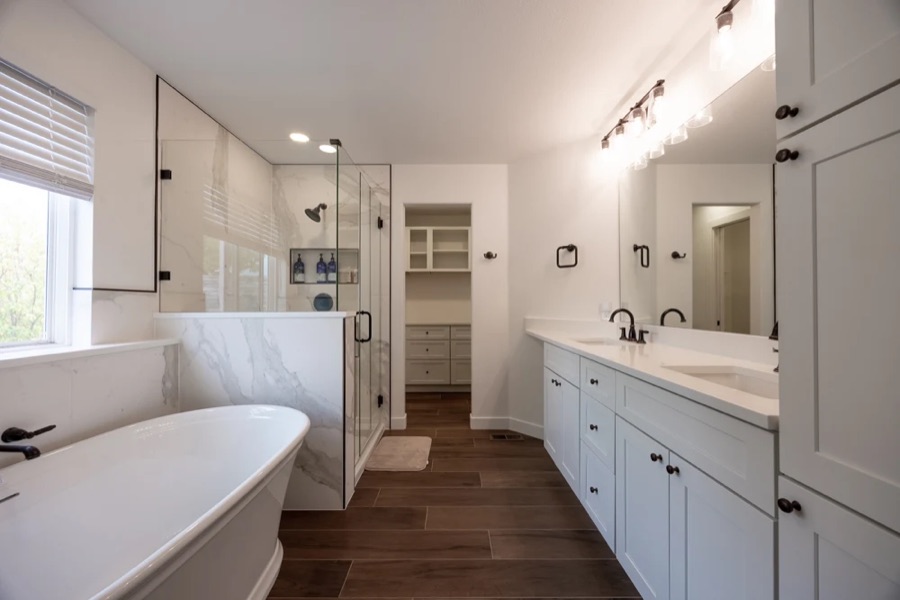
Is an old tub taking up space without matching the way you live? A walk-in shower can improve daily use, accessibility, and style, but the price depends on far more than the visible glass and tile.
- The original Prime Craft planning range for a focused wet-area conversion is approximately $8,000–$15,000, with the final scope controlling the price.
- Shower type, wall materials, glass, fixtures, and accessories can change the total significantly when combined.
- Water or substrate damage, older plumbing, permits, disposal, and building requirements are common sources of added work.
- Accessibility details, plumbing constraints, and co-op or condo approvals are best resolved before construction.
This guide restores the complete pricing and planning information from Prime Craft’s original article for homeowners in Brooklyn, Queens, the Bronx, Nassau County, Valley Stream, and Long Island. Every figure is an illustrative range—not a bid, allowance, or guarantee. Pricing, code requirements, and market conditions change, so a current site review and written proposal are essential.
What does a tub-to-shower conversion cost?
A typical focused conversion was estimated in the original guide at $8,000 to $15,000 for materials and labor in the wet area. Shower size, wall finish, glass, plumbing changes, waterproofing, and features such as seating or niche storage determine where a project lands.
Prime Craft can approach the work as a focused wet-area remodel when the rest of the bathroom layout and finishes still work. A complete bathroom renovation that adds flooring, vanity, toilet, lighting, paint, or ventilation is a different scope.
Brooklyn brownstones, Queens co-ops, older Bronx homes, and Nassau County colonials can expose nonstandard framing, layered finishes, aging valves, cast-iron components, or building-specific rules. Prime Craft reviews visible conditions during the site walk and defines a process for anything that remains concealed.
Cost by shower type
The shower system is one of the largest variables. These are the original article’s broad component and system ranges; they overlap because size, materials, labor, waterproofing, and glass vary widely.
| Shower type | Typical range |
|---|---|
| Pre-fabricated shower or basic stall | Approximately $1,200–$8,000 |
| Corner shower | Approximately $1,500–$6,000 |
| Framed shower enclosure | Approximately $1,800–$6,500 |
| Semi-frameless shower | Approximately $2,800–$8,000 |
| Frameless shower | Approximately $3,500–$12,000 |
| Walk-in shower | Approximately $2,500–$15,000+ |
In many 5×8 New York bathrooms, a semi-frameless or frameless walk-in shower balances clear sightlines, daily use, and finish quality. The right option should be selected during design, before the base, valve, tile, and enclosure are ordered.
Shower-door and enclosure costs
The enclosure is one of the most visible cost drivers. A basic framed door on a prefabricated base is not comparable with custom frameless glass measured after tile installation.
Framed shower doors
$200–$800
Frameless shower doors
$600–$2,500
Custom shower enclosures
$3,000–$10,000+
Tempered or safety glass doors
$400–$2,500
Opening dimensions, panel count, glass thickness, hardware finish, support conditions, door swing, fabrication, and installation affect the actual number. When planning for older adults or mobility needs, the entry width and threshold can matter as much as grab bars or a bench.
Shower accessories and upgrade costs
Each add-on can appear modest by itself, but several upgrades together can materially change the total. The original article listed these broad ranges:
| Accessory | Range | Planning note |
|---|---|---|
| Handheld showerhead | $50–$250 | May require a slide bar, outlet, or diverter |
| Grab bar, per bar | $50–$500 | Coordinate wall blocking before tile |
| Built-in or fold-down seat | $100–$600 | Verify support, reach, and wet-area clearances |
| Rain showerhead | $100–$600 | May affect valve, supply, ceiling, and spray planning |
| Non-slip flooring | $200–$1,000 | Confirm wet-area suitability and cleanability |
| Digital temperature control | $500–$1,200 | Requires compatible plumbing and electrical coordination |
Prime Craft includes accessories in the selections and design phase so grab bars, fixtures, storage, and seating appear in the plan and proposal rather than as surprises after demolition.
Hidden and unexpected conversion costs
The existing tub conceals the wall and floor assemblies that the new shower will rely on. Some issues can be anticipated during a site walk; others become visible only during controlled demolition, especially in older homes.
| Potential condition | Illustrative range |
|---|---|
| Water-damage repairs | $1,500–$9,000 |
| Permit costs | $200–$2,000 |
| Plumbing upgrades | $300–$2,000+ |
| Valve and drain replacements | $150–$800 |
| Tub removal | $150–$300 |
| Plumbing labor when changes are required | $45–$200 per hour |
Older valves, a changed drain location, inadequate substrate, moisture damage, or nonstandard construction can affect the total. In co-ops and condos, alteration agreements, insurance documents, approved work hours, licensed-trade documentation, and inspections can also shape schedule and cost.
A useful contract should explain how unexpected conditions will be photographed, priced, approved, and documented. Prime Craft coordinates demolition, plumbing, and corrective work through the construction phase so the homeowner has one accountable project lead.
Additional costs to know
Permits and building approvals
The original guide budgeted roughly $200–$2,000 for permits. Actual requirements and fees depend on the defined plumbing or electrical work, property type, municipality, and reviewing authority. The NYC Department of Buildings bathroom-renovation guide is a public starting point, while Nassau County projects require review of the applicable village, town, or city process. Prime Craft coordinates the project-specific path during pre-construction.
Old-tub and material disposal
The original range for basic removal and disposal was $150–$300. Cast-iron tubs, tight stairs, elevator procedures, limited work hours, parking, and haul routes can require more labor and protection.
Pipe replacement or rerouting
The original article listed plumbing labor at $45–$200 per hour and broader upgrades at $300–$2,000+. The useful question is not only the rate: the valve, drain, venting, supplies, access, material, and inspection scope must be defined.
Mold, mildew, or rot remediation
When damaged material is exposed, it should be evaluated and corrected before the new shower is installed. The original planning range was $500–$3,000+, with actual cost depending on the material affected, source of moisture, extent, containment, testing if needed, and repair scope.
Serving Brooklyn · Queens · The Bronx · Nassau County · Valley Stream · Long Island
Factors that impact total conversion cost
Shower pan
A prefabricated pan is generally faster and less expensive than a site-built or low-threshold assembly. The base determines drainage, slope, waterproofing transitions, finished dimensions, and entry height. It is a core water-management decision, not a sensible place for undefined shortcuts.
Wall materials and tile
Basic wall panels can install faster. Tile adds substrate preparation, waterproofing, layout, cuts, edges, grout, and labor; premium materials and full-height coverage add more square footage and detail. Finish choices should be tied to a labor-aware plan before construction.
Enclosure and door style
Framed doors are typically the lower-cost glass option. Frameless and multi-panel enclosures use thicker custom glass, more specialized hardware, field measurements, and more involved installation. Curbless or unusually large openings can increase customization.
Faucets and fixtures
A standard pressure-balance valve and one showerhead generally cost less than multiple controls, specialty finishes, body sprays, a rain head, or digital control. Fixture placement can determine whether the existing rough-in is reused or modified.
Safety and accessibility
Grab bars, seating, handheld sprays, lower thresholds, and wider entries should be planned as a system. Wall reinforcement, slope, reach, clearance, glass, and drainage need to be resolved before tile closes the walls.
Built-in storage
Every niche adds framing, waterproofing, tile layout, edges, and installation time. Multiple niches or a bench can compound those details, so locations and sizes belong in the construction plan.
Questions to ask before you start
- Does the current layout work well enough to avoid moving plumbing or walls?
- Would a shower better match the way the bathroom is used every day?
- Should this room become shower-only, or does household use and resale planning favor keeping a tub-shower combination?
- Are a low threshold, grab bar, handheld fixture, wider entry, or fold-down seat useful now or later?
- Does a co-op or condo require board approval, alteration paperwork, insurance, work-hour restrictions, or licensed-plumber documentation?
- How will concealed damage or outdated plumbing be documented and approved if discovered?
Is a tub-to-shower conversion worth it?
For many homeowners, the value is immediate: the bathing area better matches daily routines and can improve entry, standing space, and modern style without expanding the room. In smaller Brooklyn and Queens bathrooms, clear glass can improve sightlines; in larger Nassau County primary bathrooms, a bench, niche, and custom frameless enclosure can make the shower a focal point.
The original article cited a broad resale return estimate of roughly 60%–70%. That is not a promise. Results depend on the market, home, quality, cost, number of bathrooms, and whether another tub remains. If this is the home’s only bathing tub, consider family use and future buyers before removing it.
What a useful conversion proposal should show
Before comparing totals, compare the assumptions behind them. A responsible proposal should show what is included, what has been selected, and what remains an allowance or concealed-condition risk.
| Scope area | What should be clear |
|---|---|
| Demolition and protection | Removal extent, disposal, access path, dust control, and floor protection |
| Waterproofing | Specified system, substrate, shower base, transitions, and testing process |
| Plumbing | Drain, valve, supplies, fixtures, and known relocation work |
| Surfaces | Tile or panels, coverage, layout assumptions, edge profiles, grout, and finish materials |
| Glass and accessories | Enclosure type, hardware, niche, seating, blocking, and grab bars |
| Approvals and schedule | Permit or board steps, procurement, active construction, and owner decisions |
| Unknowns | How concealed conditions and owner-requested changes will be evaluated and authorized |
Prime Craft’s design-build process coordinates the site walk, design, 3D views, selections, approvals, proposal, and construction before the old tub comes out.
Tub-to-shower conversion FAQs
How long does a tub-to-shower conversion take?
The original Prime Craft planning range is one to two weeks of active construction once approvals are complete and materials are ready. Design, selections, 3D renderings, permitting, procurement, and other pre-construction work commonly add about four to eight weeks; board approval can add more.
Do I need a permit in Brooklyn or Nassau County?
Requirements depend on the plumbing and electrical work, municipality, property, and reviewing authority. NYC co-ops and condos may also require board approval and licensed-trade documentation. Prime Craft reviews the applicable path during pre-construction rather than applying one rule to every address.
Will removing the tub hurt resale value?
It depends on the home and how many bathing options remain. When this is the only full bathroom, keeping a tub-shower combination may support more household needs. When another tub remains, a primary-bath walk-in shower may be a practical choice. Resale returns are estimates, never guarantees.
What are the most common hidden costs?
Water or substrate damage, mold remediation, drain or valve changes, older plumbing, difficult cast-iron tub removal, and building requirements are common sources. A defined concealed-condition process is as important as the initial allowance.
Can I add a walk-in shower without moving plumbing?
In some rooms, keeping the valve on the same wall and the drain near its current location reduces changes. Curbless bases, custom drain positions, supply upgrades, venting, and existing pipe conditions can still require modification, so the layout must be verified before pricing is finalized.